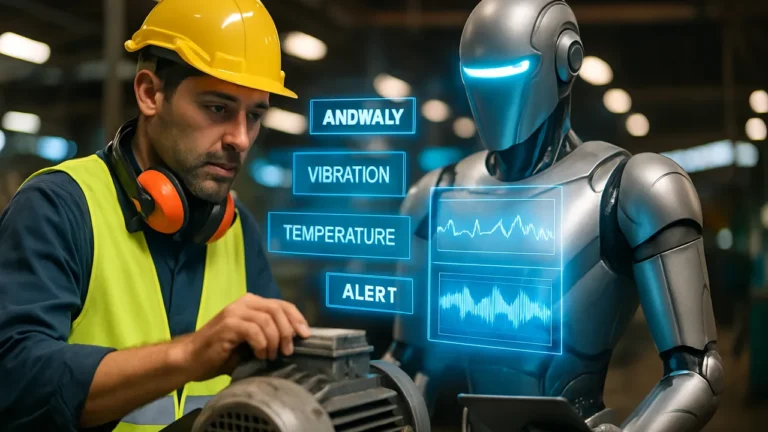

Global manufacturing supply chains have become compliance minefields. A single finished product may depend on hundreds or even thousands of suppliers spread across multiple countries, each governed by its own labor laws, trade regulations, environmental mandates, and reporting standards. As supply chains expand, the complexity of compliance grows exponentially.
Yet despite this reality, most compliance programs are still built on periodic audits, manual evidence collection, and reactive enforcement models that were designed for a far simpler era.
That approach no longer scales. As regulatory pressure intensifies and supply networks become more interconnected, leading manufacturers are turning to AI agents for supply chain compliance autonomous systems that continuously monitor, interpret, and enforce compliance across global manufacturing ecosystems.
This shift is not about replacing compliance teams or removing human oversight. Instead, it is about giving them a new operational layer, one that works at machine speed, across borders, around the clock, and without fatigue. AI agents development act as digital compliance counterparts, extending human capability rather than competing with it.
Why Supply Chain Compliance Is Failing in Global Manufacturing
Compliance Has Become Structurally Complex
Modern manufacturing networks are no longer linear or transparent. They are:
- Multi-tiered, with limited visibility beyond Tier-1 suppliers
- Geographically distributed, operating across regions with conflicting or overlapping regulations
- Highly dependent on external partners for ESG data, labor standards, safety compliance, and environmental reporting
Compliance teams are often forced to manage this complexity using disconnected systems and spreadsheets. Tracking compliance manually across such an ecosystem is no longer feasible.
As a result, organizations rely heavily on self-reported supplier data, delayed audits, and static risk assessments leaving significant gaps between what is reported and what is actually happening on the ground.
Speed Has Outpaced Traditional Controls
Regulations change faster than audit cycles. Trade policies shift, ESG requirements expand, and enforcement intensifies often with little notice. Meanwhile, supplier risk can emerge between scheduled reviews due to labor issues, geopolitical disruptions, or operational breakdowns.
By the time violations are discovered through traditional audits, organizations are already exposed to fines, shipment delays, regulatory action, or reputational damage.
In global manufacturing, compliance is no longer a documentation problem, it is fundamentally a timing problem.
Reduce Risk, Improve Resilience
The Cost of Non-Compliance Keeps Rising
Non-compliance today has consequences that extend far beyond legal penalties. It can lead to:
- Customs delays and production stoppages
- Supplier blacklisting or forced disengagement
- ESG downgrades that impact investor confidence
- Brand damage that erodes customer trust
Compliance failures ripple directly into operations, revenue, and long-term competitiveness not just legal exposure.
What Are AI Agents for Supply Chain Compliance?
AI agents are autonomous, goal-driven systems designed to operate continuously across enterprise and supplier ecosystems. Unlike traditional automation tools, a process automation AI agent does not simply execute predefined rules. Instead, it combines reasoning, context awareness, and action to automate and optimize complex business processes end-to-end.
Unlike conventional compliance tools that rely on static logic and human triggers, AI agents:
- Observe data in real time across systems and partners
- Interpret regulations contextually, accounting for geography and policy nuances
- Decide on appropriate actions based on risk and priority
- Execute workflows automatically without manual intervention
- Learn from outcomes and adapt over time
Related Read – Predictive vs Prescriptive AI in the Supply Chain
AI Agents vs Traditional Compliance Systems
Traditional systems answer one question: “What happened?”
AI agents answer a far more valuable one: “What should happen next?”
| Traditional Compliance | AI Agents |
|---|---|
| Periodic audits | Continuous monitoring |
| Manual verification | Automated reasoning |
| Static rules | Adaptive intelligence |
| Reactive enforcement | Proactive prevention |
This capability makes AI agents particularly well-suited for global manufacturing environments where conditions change constantly and risks emerge unpredictably.
How AI Agents Operate Inside Manufacturing Supply Chains
AI agents for regulatory compliance follow a continuous, closed-loop model:
Observe
They ingest data from ERP systems, supplier portals, IoT devices, logistics platforms, certifications, audit records, and external regulatory feeds.
Interpret
They understand regulatory requirements across jurisdictions and map them directly to internal policies, supplier obligations, and contractual terms.
Decide
They assess compliance risk contextually considering geography, supplier history, material criticality, shipment timing, and regulatory impact.
Act
They trigger alerts, request missing documentation, block non-compliant shipments, escalate risks, or initiate corrective workflows automatically.
Audit
They maintain explainable decision logs and continuously updated audit-ready evidence trails.
This transforms compliance from a back-office reporting function into an always-on operational capability embedded within the supply chain itself.
Key Compliance Challenges AI Agents Solve
Supplier Compliance Monitoring at Scale
AI agents continuously monitor:
- Certifications and licenses
- Labor and safety standards
- ESG disclosures and sustainability metrics
- Contractual and regulatory obligations
Instead of annual or quarterly checks, suppliers are assessed daily, with compliance and risk scores updating dynamically as conditions change.
Regulatory Alignment Across Regions
Global manufacturers must comply with overlapping and sometimes conflicting regulations across:
- Trade and export controls
- Labor and human rights laws
- Environmental and sustainability mandates
AI-driven supply chain compliance agents interpret these regulations at scale and automatically flag conflicts, gaps, or misalignment before violations occur.
Audit Readiness Without Disruption
With AI agents in place:
- Evidence is collected continuously
- Documentation is validated automatically
- Audit reports can be generated on demand
Audit preparation shifts from a disruptive, time-consuming effort to a natural outcome of day-to-day operations.
Core Use Cases of AI Agents in Supply Chain Compliance
AI Agents for Supplier Risk and Compliance Monitoring
Autonomous AI agents track supplier behavior across operational, financial, and compliance signals. When deviations occur such as expired certifications, missing labor records, or ESG gaps agents initiate predefined remediation actions.
Result: Compliance issues are addressed early, long before they escalate into violations or operational disruptions.
AI Agents for Trade, Export, and Customs Compliance
In cross-border manufacturing, AI agents:
- Validate HS codes and shipping documentation
- Screen suppliers and customers against sanctions lists
- Detect compliance gaps before shipments leave facilities
Result: Faster customs clearance, fewer shipment holds, and reduced penalty exposure.
AI Agents for ESG and Sustainability Compliance
ESG compliance increasingly depends on accurate supplier data especially for Scope 3 emissions.
AI agents:
- Aggregate sustainability metrics across supplier networks
- Validate data quality and consistency
- Generate audit-ready ESG reports aligned with regulatory frameworks
Result: Credible, defensible ESG reporting without manual data chaos.
Supply Chain Risk Management with AI Agents
Compliance and risk are deeply interconnected. Most compliance failures originate as unmanaged operational risks.
AI agents act as continuous risk sentinels by:
- Correlating supplier behavior with external risk signals
- Detecting early warning indicators of disruption
- Adjusting risk exposure dynamically as conditions evolve
For example, a supplier in a high-risk region missing reporting deadlines may trigger both compliance alerts and supply continuity warnings allowing leaders to intervene proactively.
Learn How AI Agents can Monitor Supplier Compliance 24/7
Real-World Scenarios
Automotive Manufacturer with Tier-2 Supplier Exposure
Challenge:
Frequent production delays caused by expired supplier safety certifications discovered late in audits.
AI Agent Impact:
Continuous monitoring of certifications, automated alerts before expiration, and documentation requests triggered automatically.
Outcome:
Reduced downtime, improved supplier accountability, and significantly lower audit stress.
Electronics Manufacturer Managing Export Compliance
Challenge:
Shipment delays caused by documentation errors and sanctions screening failures.
AI Agent Impact:
Pre-shipment compliance validation and automated denied-party screening.
Outcome:
Faster cross-border shipments, improved delivery reliability, and fewer regulatory penalties.
Related Read – How to Implement AI in Electronics Manufacturing
Implementing AI Agents: What Manufacturing Leaders Should Know
Where AI Agents Integrate
AI agents integrate seamlessly with:
- ERP platforms such as SAP and Oracle
- Supplier management and procurement systems
- Compliance, risk, and audit tools
They enhance existing investments rather than replacing them.
The Human + AI Compliance Operating Model
AI agents handle scale, speed, and consistency. Humans retain judgment, accountability, and governance.
Compliance teams shift from:
- Manual verification
- Document chasing
To:
- Policy definition
- Exception handling
- Strategic risk oversight
Human-in-the-loop controls ensure explainability, trust, and regulatory defensibility.
Measuring ROI from AI-Driven Supply Chain Compliance
Manufacturers typically realize value through:
- Reduced audit and remediation costs
- Fewer regulatory violations
- Faster supplier onboarding and approvals
- Improved operational resilience
Over time, compliance evolves from a cost center into a strategic risk management advantage.
Why Now Is the Right Time
Three forces are converging:
- Increasing regulatory scrutiny across global markets
- Growing complexity of manufacturing supply networks
- Maturity of enterprise-grade AI technologies
Delaying adoption increases exposure. Early adoption builds resilience.
Getting Started: A Practical Checklist
- Identify highest-risk compliance areas
- Map critical internal and supplier data sources
- Select a focused pilot use case
- Define governance, escalation, and oversight rules
- Measure outcomes and scale incrementally
Conclusion: From Reactive Compliance to Autonomous Assurance
Supply chain compliance in global manufacturing has reached a tipping point. Manual, audit-driven approaches can no longer keep pace with regulatory complexity and operational scale.
AI agents for supply chain compliance enable a new model of continuous, autonomous assurance where risks are detected early, actions happen automatically, and audits become routine rather than disruptive. Manufacturers that embrace this shift will not only reduce compliance risk but also strengthen supplier relationships, improve resilience, and gain a lasting competitive advantage.
Connect with our AI experts to explore how AI agents can strengthen compliance across your global manufacturing network.
FAQs
AI agents for supply chain compliance are autonomous systems that continuously monitor supplier data, interpret regulatory requirements, assess compliance risk, and take action in real time. They help manufacturers move from periodic audits to continuous, proactive compliance across global supply networks.
AI agents analyze country-specific regulations, map them to internal policies, and monitor supplier activities across regions. When regulations change or conflicts arise, the agents automatically flag gaps and trigger corrective actions before violations occur.
Yes. AI agents can monitor compliance across multi-tier supplier networks by aggregating data from supplier portals, certifications, ESG disclosures, and external risk sources. This improves visibility into Tier-2 and Tier-3 suppliers where compliance risks often originate.
No. AI agents augment compliance teams rather than replace them. They automate monitoring, documentation, and alerts, while humans retain oversight, decision authority, and governance through human-in-the-loop controls and explainable audit trails.
AI agents reduce regulatory violations, lower audit and remediation costs, improve supplier accountability, and strengthen operational resilience. Over time, they transform compliance from a reactive cost center into a proactive risk management and trust-building capability.